In This Article
-
Co-Organisers


-
Diamond Sponsor

-
Platinum Sponsors


-
Gold Sponsor


-
With the support of

-
Partner
-
Media Partners





-
Media Supporter


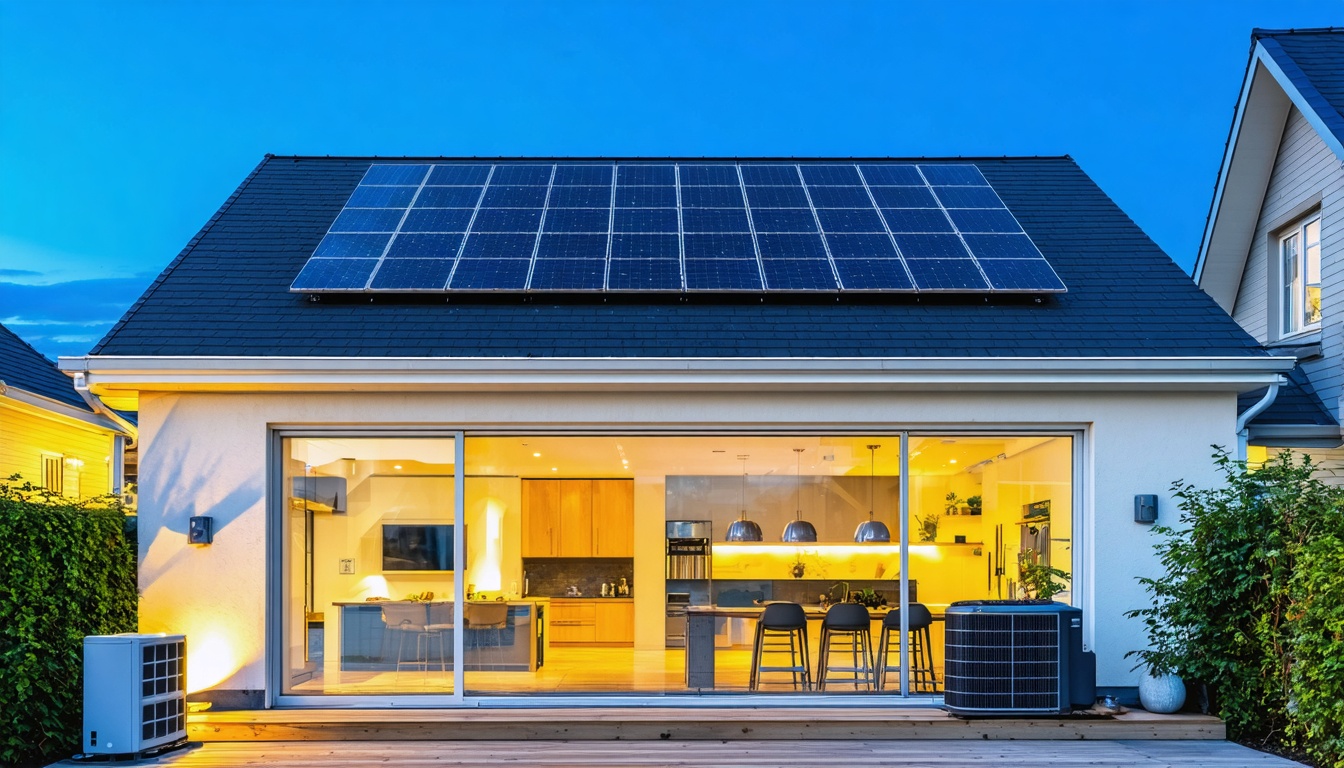
If you have invested in solar panels or are contemplating this option, understanding how to optimize your home's energy efficiency can be beneficial. Enhancing energy efficiency can lower overall utility expenses and ensure that each kilowatt produced by your solar system is utilized effectively. Strategies such as upgrading insulation or replacing older appliances with energy-efficient models can significantly reduce energy consumption while improving comfort levels within the home. Targeted home improvements not only lead to direct cost savings but also contribute to broader sustainability goals by reducing overall energy demand. Before pursuing additional renovations or enhancements, it is advisable to analyze how these changes align with your current energy usage and overall sustainability objectives. Evaluating potential upgrades can help you make informed decisions that complement your solar power system.
A well-sealed and insulated home is important for optimizing the performance of solar energy systems. By addressing areas of air leakage and improving insulation, homeowners can achieve energy savings, which may result in lower utility bills and a decreased dependence on non-renewable energy sources. For those considering solar panel installations, ensuring proper roofing is crucial; Pennsylvania homeowners can find specialized services here: Roofing for Solar Panels in Pennsylvania.
These improvements can enhance the overall value of a property and contribute to resident comfort.
In New York, homeowners can utilize several methods to improve air sealing and insulation. Common techniques include the installation of storm windows and doors, the application of weatherstripping, and the upgrading of existing insulation. Homeowners should also be aware that some of the costs associated with these enhancements may qualify for federal tax credits, as specified by the Internal Revenue Service.
Implementing energy efficiency measures can help decrease a home's carbon footprint, as improved insulation and air sealing can lead to better indoor air quality.
These factors ultimately optimize solar system performance, potentially resulting in longer-term savings.
Older windows and doors can lead to drafts and energy loss, impacting the overall energy efficiency of a home. Replacing these with modern, higher-efficiency models can improve performance by reducing air leakage.
Incorporating insulated glass, storm windows, and high-efficiency doors may contribute to decreased energy costs associated with heating and cooling.
Homeowners might also qualify for federal tax credits related to these upgrades. For specific guidelines and eligibility, consulting the Internal Revenue Service is recommended.
In New York and several other states, programs such as NYSERDA’s Comfort Home offer additional resources and financial incentives aimed at promoting energy-efficient home improvements.
Upgrading to energy-efficient windows and doors can reduce reliance on fossil fuels, potentially enhancing the property's market value. Furthermore, these upgrades may be in line with broader initiatives on solar energy.
To evaluate potential cost savings, homeowners can use tools like a Savings Calculator. Additionally, reviewing Frequently Asked Questions can provide clarity on the criteria for available programs and incentives.
Integrating energy-efficient appliances into a home can enhance the benefits of solar power usage. Appliances such as induction stoves and WaterSense fixtures can lower electricity consumption and reduce reliance on natural gas and fossil fuels, as well as minimize hot water usage.
Homeowners in various states, including New York, may qualify for federal tax credits for approved upgrades, such as the installation of Heat Pump Water Heaters.
Savings calculator tools are available to help estimate potential financial savings alongside decreases in energy costs and carbon footprints.
Furthermore, it is important to consider indoor air quality and address air leaks to improve overall energy efficiency in the home.
For comprehensive guidance, it is recommended to review the frequently asked questions and the Internal Revenue Service guidelines related to tax credits before making claims.
Upgrading a home’s water heating system can enhance energy efficiency and result in cost savings. Heat pump water heaters, which utilize air source technology, provide a method for heating water that reduces dependence on natural gas, potentially leading to lower electricity costs. Homeowners may save between $200 and $550 annually. Additionally, eligible homeowners in the United States can benefit from federal tax credits up to $2,000, according to guidelines from the Internal Revenue Service.
The installation of low-flow fixtures in the plumbing system can further increase these savings. These installations can complement solar energy systems, thereby enhancing property value and contributing to a lower carbon footprint.
In areas such as New York, the adoption of efficient appliances combined with air sealing techniques can also improve indoor air quality.
In summary, when considering an upgrade to a water heating system, it is essential to evaluate the financial implications alongside the initial investment, as well as assess how these improvements fit into the home’s overall energy management strategy.
Integrating smart thermostats and advanced controls into energy systems can effectively enhance the efficiency of residential heating and cooling, especially in homes with solar panels. These devices are engineered to adapt to users' heating and cooling patterns, thereby facilitating more accurate temperature regulation. This precision can lead to lower energy usage and, subsequently, reduced electricity expenses.
Homeowners in the United States may be eligible for federal tax credits for certain energy improvement projects, which may include the installation of smart thermostats and other energy-efficient appliances. When used in conjunction with solar energy systems, smart thermostats can optimize the consumption of electricity produced during peak daylight hours, potentially increasing overall energy savings.
In New York, both residents and businesses can benefit from implementing such technology. The use of smart thermostats contributes to reduced dependence on fossil fuels and natural gas, which aligns with the state's sustainability objectives and aims to lower greenhouse gas emissions.
Thus, these upgrades represent viable options for homeowners seeking to lower their energy costs and minimize their environmental impact.
Maintaining indoor air quality is an important factor in enhancing your home's energy efficiency, particularly with the integration of solar power solutions. Upgrading to energy-efficient windows and doors, as well as installing storm windows, can effectively seal the home and improve insulation. This strategy helps minimize air leaks and reduces the entry of outdoor pollutants.
In addition, implementing efficient ventilation systems, such as heat pumps and heat pump water heaters, can assist in temperature regulation while also contributing positively to indoor air quality.
Homeowners may also be eligible for federal tax credits related to these upgrades, which can serve as a financial incentive. Furthermore, improving energy efficiency may lead to an increase in property value, reduction in electricity bills, and decreased energy consumption costs.
These enhancements not only promote a quieter home environment but also reduce the household's carbon footprint. Such initiatives are accessible to homeowners nationwide, making them a viable option for many.
Many homes currently rely on traditional furnaces and air conditioners for heating and cooling purposes.
An alternative option, electric heat pumps, offers a more efficient method for managing temperature. Heat pumps operate using electricity instead of natural gas or other fossil fuels, which can lead to lower energy bills and a reduced environmental impact. The financial advantages of heat pumps may be further amplified when paired with solar energy systems.
In addition to switching to heat pumps, enhancing energy efficiency can be achieved through appliance upgrades and improved air sealing, such as the installation of storm windows and doors.
Homeowners in New York, among other regions, may qualify for various incentives, including federal tax credits from the Internal Revenue Service and programs like the Residential Clean Heat rebates. Another component to consider is the upgrading of water heaters to heat pump models, which can contribute to overall home energy efficiency.
In conclusion, transitioning to electric heat pumps, in conjunction with energy-efficient upgrades and available financial incentives, offers a practical option for homeowners interested in reducing energy usage and associated costs.
Homeowners in New York can take advantage of various incentives and tax credits designed to promote the adoption of solar energy. Notably, individuals may qualify for a tax credit of up to 30% through the Residential Clean Energy credit, applicable to projects that include solar installations, battery storage systems, heat pumps, and energy-efficient appliances.
Furthermore, home improvements that enhance energy efficiency—such as the installation of storm windows, air leak sealing, and upgrades to water heating systems—can lead to decreased utility costs and a smaller carbon footprint.
For homeowners who cannot install rooftop solar panels, community solar programs are available as an alternative. These programs allow individuals to participate in solar energy generation without needing to place equipment on their properties.
By utilizing financial incentives offered by the Internal Revenue Service and the State of New York, homeowners can potentially increase the value of their energy-related investments while achieving noticeable reductions in heating, cooling, and water heating expenses.
In summary, these programs and financial incentives provide a structured method for homeowners to transition to renewable energy sources, making the usage of solar power a viable option for many residents in New York.
When evaluating the potential for energy efficiency improvements or the installation of solar panels, it is important to consider the financial mechanisms available, such as tax credits and rebates, which can help decrease the overall expenditures associated with these upgrades.
The federal government provides a Residential Clean Energy credit, which enables homeowners to claim 30% of their installation costs for solar energy projects, battery storage systems, and specific qualifying appliances.
In addition to federal options, New York has state-specific incentives designed to encourage energy efficiency. For example, residents may receive rebates of up to $2,000 for the installation of air source heat pump water heaters and effective heating and cooling systems.
Home improvements related to the installation of windows, doors, air sealing, and insulation may also be eligible, offering rebates of up to $1,200.
To effectively utilize these financial incentives, homeowners are encouraged to consult resources provided by the Internal Revenue Service and examine local programs within New York.
These resources offer guidance on qualifying upgrades and can assist homeowners in reducing energy costs while enhancing the efficiency of their residences.
Improving a home's energy efficiency can lead to reduced operational costs, enhanced comfort, and a smaller carbon footprint. When paired with solar power installations, enhancements such as improved insulation, energy-efficient windows, smart thermostats, and modern heating systems can further amplify energy savings and reduce reliance on non-renewable resources. Investing in energy-efficient upgrades may also qualify homeowners for various tax credits and rebates, which can help offset the initial costs. These financial incentives can make implementing these improvements more feasible for many. Ultimately, by prioritizing energy efficiency alongside solar power integration, homeowners can achieve lower utility expenses, better indoor comfort, and contribute to environmental sustainability over the long term.